
If foods are not digested correctly upon a fasting break, the body struggles to absorb nutrients once they reach the intestine. This can also occur due to a decreased production of enzymes and microbiota in this area. Meat, especially red meat, can be hard to digest after hours of fasting. Avoid preparing meals containing this ingredient when breaking a fast. However, the food choices you make after fasting, especially after prolonged fasts, are extremely important to support digestion and prevent the possibility of unpleasant side effects.
Intermittent Fasting for Women: How to Do It Healthily?
Often mistakenly called a vegetable, avocado is probably the fattest fruit in the world. You can move on to the chicken as soon as the stomach has calmed down after sipping some broth. Therefore, supporters of low-carb diets such as the keto diet swear by apple vinegar.
Then as usual, wait a couple hours and see how you’re feeling. Try eating a handful of olives, wait a couple hours, and then see how it goes. Instead, eat a small amount of something low in carbs, wait a while, and take it from there. There are times to indulge, but the very first meal after an extended fast isn’t one of them.
Fasting and its benefits
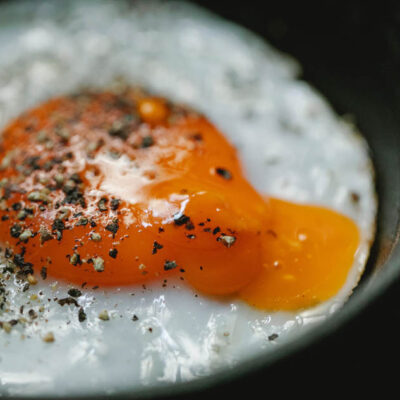
Some people who take medications for blood pressure or heart disease also may be more prone to imbalances of sodium, potassium, and other minerals during longer-than-normal periods of fasting. They’re also rich in nutrients like choline, which supports brain health, and vitamin D. Soft-boiled or scrambled eggs are easy to digest and can help your body repair and https://unimeal-review.com/ rebuild after fasting. It’s warm, hydrating, and rich in minerals like magnesium, calcium, and potassium. Plus, it contains gelatin and collagen, which support your gut lining and joints.
Red Meat and Heavy Proteins
It’s very important that you incorporate these foods into your eating window. Fish are packed with essential nutrients, like protein and fatty acids, that will help you lose weight. For example, in 100 grams of fresh tuna, there are 19 grams of protein. Bone broth is one of the best low-calorie foods that promote weight loss. The generous amount of protein curbs your appetite and stops you from feeling intense hunger during the fast, which prevents any weight gain. Some research, however, shows that glutamine (and protein in general) fuels a process called mTOR, which prevents autophagy.
Don’t Forget Hydration & Electrolytes
To make them even better you could scramble them with some olive oil for added healthy fats. Note that everyone’s body responds differently to fasting and breaking fasts. Therefore, listening to your body’s signals and adjusting your eating plan accordingly is crucial. Remember, the goal is not just to end the fast, but to do so in a way that enhances your overall health and well-being. Also known as a 3-day fruit cleanse, it’s a fad diet that promises weight loss and a healthy gut, but doesn’t deliver. Not only are they rich in protein, healthy fats, and a nutritional powerhouse, they’re also easy for the digestive system to tolerate and are unlikely to make your stomach hurt.
- Whether it’s from a box or a restaurant, it’s going to be high in refined flours and sugars.
- After the fifths day, your body will turn to internal nutrition and will hang hard to any nutrients you’ll give it, meaning it will absorb the chemicals you’ll be inhaling faster and better.
- This article starts with the worst offenders and then moves on to the best choices for post-fast meals.
- These choices can hinder the health benefits of fasting and lead to discomfort or digestive issues.
- They’re light on the gut but still provide a burst of flavor and nutrition.
- So, what should you eat after fasting to support your body and avoid digestive upset?
Water
But if you’re not feeling well during your eating hours, intense cravings can result, making you feel like you “need” that butter-laced coffee first thing in the morning. This dietary approach, which simply refers to going without food for a certain period of time, naturally restricts calories to help you lose weight. While technically you can eat anything to break a fast, some choices are better than others. It’s recommended to start with light, easily digestible foods to avoid shocking your digestive system.
Hour Fast: How It Works, Benefits, and Safe Implementation Guide
Breakfast cereal is the packaged food that’s most heavily marketed to children, according to a study published in 2010 in the Journal of Public Health Policy. The researchers reported that in 2007, the average American child saw about 758 cereal advertisements on television. In severe cases, refeeding syndrome can be life-threatening as it can cause heart failure, seizures, coma, and even death.
What Are the Best Foods to Eat After Fasting?

Some people also benefit from a small glass of bone broth or an electrolyte drink before eating. Avoid large meals and heavy proteins such as red meat as these can be difficult to digest and can lead to bloating, indigestion, and general digestive discomfort, especially after a prolonged fast. For example, introducing hard-to-digest or carbohydrate-rich foods too quickly after an extended prolonged fast or periods of severe malnutrition can lead to a condition known as refeeding syndrome. In addition, staying hydrated is essential during fasting, as it triggers metabolic changes that increase fluid loss. This occurs primarily because the breakdown of glycogen stores releases water, leading to greater fluid excretion. However, a prolonged fast should be approached with caution, as it places your body under controlled stress to trigger metabolic changes.
This method encourages metabolic switching to fat and ketones. While you don’t have to avoid these choices completely, you may want to choose more well-balanced meals for your go-to weekday breakfast and keep the suboptimal choices for special occasions. Essentially all common breakfast meats are highly processed — bacon, sausage, and ham included. These are loaded with salt, which may increase blood pressure in salt-sensitive individuals (16).
Caffeine also stimulates autophagy, making coffee one of the best beverages during intermittent fasting. Since you only have so much time in your day to fit in healthy foods, Keatley says it’s best to focus on nutritious options. “I would recommend a complete protein that has healthy fats and is loaded with vitamins and minerals, like eggs,” he says.
What should you not eat after fasting?
Knowing what to eat after fasting means you need to consider how long you fasted and whether you consumed any calories during the fast. More importantly, you should know which foods can help you break a fast in a healthy way. Your best bet is to eat a combination of macros, so you don’t get a rush of carbs in your body, which can result in gastrointestinal discomfort.
Bone broth
Bone broth, ripe fruits, and cooked vegetables are all good options. After a while, you can introduce lean proteins like chicken or fish, and complex carbohydrates like sweet potatoes or brown rice. Bone broth is a great first food to consume after a fast because it’s easy on the digestive system and packed with nutrients.
To ensure you get the most out of your fast, it’s best to refrain alcohol and limit your caffeine intake. Fries are not only a poor choice healthwise, but they could actually lead to severe problems if used to break a fast, including heartburn and gastric issues. Quite frankly, you should avoid anything that is deep-fried or acidic. When fasting with a ketogenic diet, one gets faster and deeper into autophagy and ketosis.