
Higher urine outputs (300 to 600 mL/hour) are probably indicative of fluid excess (Freund et al., 1995; Lee, 1964). If urine output falls to less than 30 mL/hour for extended periods with an average diet, the person is probably dehydrated (see Figure 4-4). Determining the appropriate amount of water to consume can be challenging. This is because it varies based on factors such as age, body weight, gender, activity level and weather conditions. According to a recent study by the CDC, the average American adult drinks an estimated 44 ounces (or 1.3 liters) of water per day. This hellopeter.com/unimeal is cause for concern, given that the recommended daily fluid intake is about 2.7 liters for women and 3.7 liters for men.
For example, retrospective methods, e.g., 24-h recall, diet history are dependent on respondents’ memory and recall abilities, and in the case of a diet history, it may be influenced by the present diet. Respondents must be able to use conceptualization skills to describe and estimate frequency of consumption and portion size [14]. Food frequency questionnaires (FFQ) are frequently used in population studies of diet.
To learn more about optimizing your health, find a BASS provider near you today. Again, certain foods can help with hydration, too, like cucumbers, watermelon, asparagus, celery, strawberries, and zucchini. Here, we’re breaking down everything you need to know about H2O intake, including what the recommendations say, the factors that could influence your individual hydration goals, and more.
FACTORS AFFECTING WATER REQUIREMENTS
So, what’s the best way to make sure you’re drinking enough water without getting out measuring cups? Try to focus on sipping water regularly throughout the day, Dr. Hussain suggests. Inadequate hydration can slow down your energy and impact performance. Set an alarm on your phone throughout the day to remind you to take a sip. High-quality filtered water prevents the ingestion of harmful contaminants that can cause serious health issues. Water supports essential bodily functions, promotes better digestion, and enhances skin health.
Whenever You Sweat
- Men with low and moderate physical activity levels consumed an average total water intake lower than the recommended adequate intake, while highly active men did not differ from the recommendation.
- “Urine is a by-product of your blood trying to maintain a balance between water and salt,” Hew-Butler says.
- Whether you’re a young athlete or an adult trying to stay active, drinking enough water every day is essential.
- It’s the perfect zero-calorie beverage for quenching thirst and rehydrating your body.
- Contaminated water and poor sanitation are linked to transmission of diseases such as cholera, diarrhoea, dysentery, hepatitis A, typhoid and polio.
- Note that with maturation, the range of total water (difference between the 5th and 95th percentiles) increases.
Initially, contestants were given eight-ounce bottles of water, which they were to drink every 15 minutes. The woman drank roughly two gallons of water in three hours before she died later that day at home. Some people believe the same of unimeal reviews consumer reports caffeinated drinks, but this isn’t true either.
When water comes from improved and more accessible sources, people spend less time and effort physically collecting it, meaning they can be productive in other ways. This can also result in greater personal safety and reducing musculoskeletal disorders by reducing the need to make long or risky journeys to collect and carry water. Better water sources also mean less expenditure on health, as people are less likely to fall ill and incur medical costs and are better able to remain economically productive. Contaminated water and poor sanitation are linked to transmission of diseases such as cholera, diarrhoea, dysentery, hepatitis A, typhoid and polio. Absent, inadequate, or inappropriately managed water and sanitation services expose individuals to preventable health risks.
During Exercise:
Some people report that even a slight dip in fluid intake can bring on an intense headache. It also can make you feel fuzzy, and in some cases even require medical treatment. Especially if you’re migraine-prone, keep a water bottle handy at all times and track your intake. There are times when we can’t rely on our feeling of thirst to stay hydrated.
Hydration
In general, dry bulb temperatures of approximately 70°F, 80°F, and 90°F are used for temperate, warm, and hot conditions, respectively, in this report. FIGURE 4-1 Total body water as a fraction of body mass (FW) and as a fraction of fat-free mass (FWFFM). “You will not have the same water needs if you train five hours a day in the middle of the summer, versus having a fairly sedentary lifestyle in the winter, but eight glasses a day is a good goal for most people, Kavouras says. Other beverages that contribute to hydration include teas, coconut water, , broths and smoothies.
Staying hydrated during sports, exercise or heat
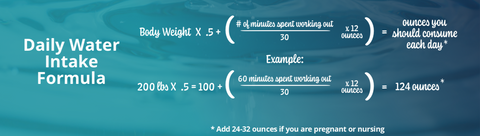
Ultimately, listening to your body’s thirst cues is key when determining your daily water intake needs. Remember that everyone’s hydration requirements are unique and finding a balance that works best for you is important. When our bodies heat up—because of a hot day or because of physical activity, for instance—the brain alerts the sweat glands to produce sweat. When children don’t drink enough water, The body cools itself by the evaporation of sweat from the skin.
While not essential for the average person, timing of fluid consumption is also important for these athletes, she adds. There are the obvious foods, such as soup, but fluid makes up a large part of many of our other foods, such as fresh fruit, yogurt and much more. Often, people who say they rarely feel thirsty are actually getting enough fluid from their overall diet, says Joseph G. Verbalis, MD, a professor of medicine and chief of endocrinology and metabolism at Georgetown University in Washington, D.C. “People who like soups and other foods that have a high water content are obviously going to get more water than people who eat more dry types of foods,” he explains. “But, the combined water content of food, plus your thirst-driven intake, is plenty sufficient to maintain normal hydration. However, it’s best to talk to your doctor to determine how much water you should be drinking daily.
Women:
In a study of dehydration in children at 1 and 2 percent of body weight loss, a greater increase in core body temperature than would have been expected to be observed in adults exercising in hot weather was noted (Bar-Or et al., 1980). Therefore, children may have greater adverse performance effects from the same extent of dehydration during heat stress than do adults. Institute of Medicine (IOM) recommendations from 2004 set adequate levels for total water intake from all foods and liquids at 3.7 liters (125 ounces) for men and 2.7 liters (91 ounces) for women (2).
Temperature or Season
The results are based on 30 years of data collected from more than 11,000 adults in the U.S. who were 45 to 66 years old at the study’s inception. For generally healthy people, a recommended daily water intake is eight 8-ounce glasses per day; however, the U.S. Centers for Disease Control and Prevention maintains that there are no established recommendations.
Exactly How Much Water You Should Drink in a Day, According to Experts
Hyperglycemia (or high blood glucose levels) and hydration are intricately connected. Drink a full glass of water right when you wake up, take a water bottle in the car with you, add herbal tea to your snack routine, and drink several ounces every time you get up to visit the restroom. Drinking enough water isn’t just crucial for quenching your thirst; it can affect everything from your skin to kidney function, metabolism, cognitive performance, and even digestive health. “That’s why it’s so important to drink enough water every day,” states Dr. Hussain.
Go Beyond Glucose Data with Nutrisense
Most people without specific health concerns will be able to maintain good hydration by following this advice. Now, whether your drink of choice is a healthy one is a whole other discussion. To calculate nutrient intake from intake data collected from dietary assessment, foods are given codes, which relate to a specific food within a food composition table or database. Using the recorded, weighed or estimated portion size, nutrient intake is calculated. These databases and tables must be specific to the study population and have inherent limitations [21] including coding errors. In large studies, automated systems such as the USDA’s dietary intake data system [22] are used; therefore, it is essential that foods and drinks and beverages be coded correctly to minimize errors.