
The Thrill of Uncertainty
The allure of casino games often stems from the thrill of uncertainty. Players are drawn to the unpredictable nature of games like poker, blackjack, and slots, where outcomes are determined by chance rather than skill alone. This uncertainty activates the brain’s reward system, releasing dopamine, a neurotransmitter associated with pleasure and reinforcement. The prospect of winning can create a euphoric rush, making participants feel alive and engaged as they navigate the highs and lows of gambling, especially when engaging with bitcoin sportsbooks.
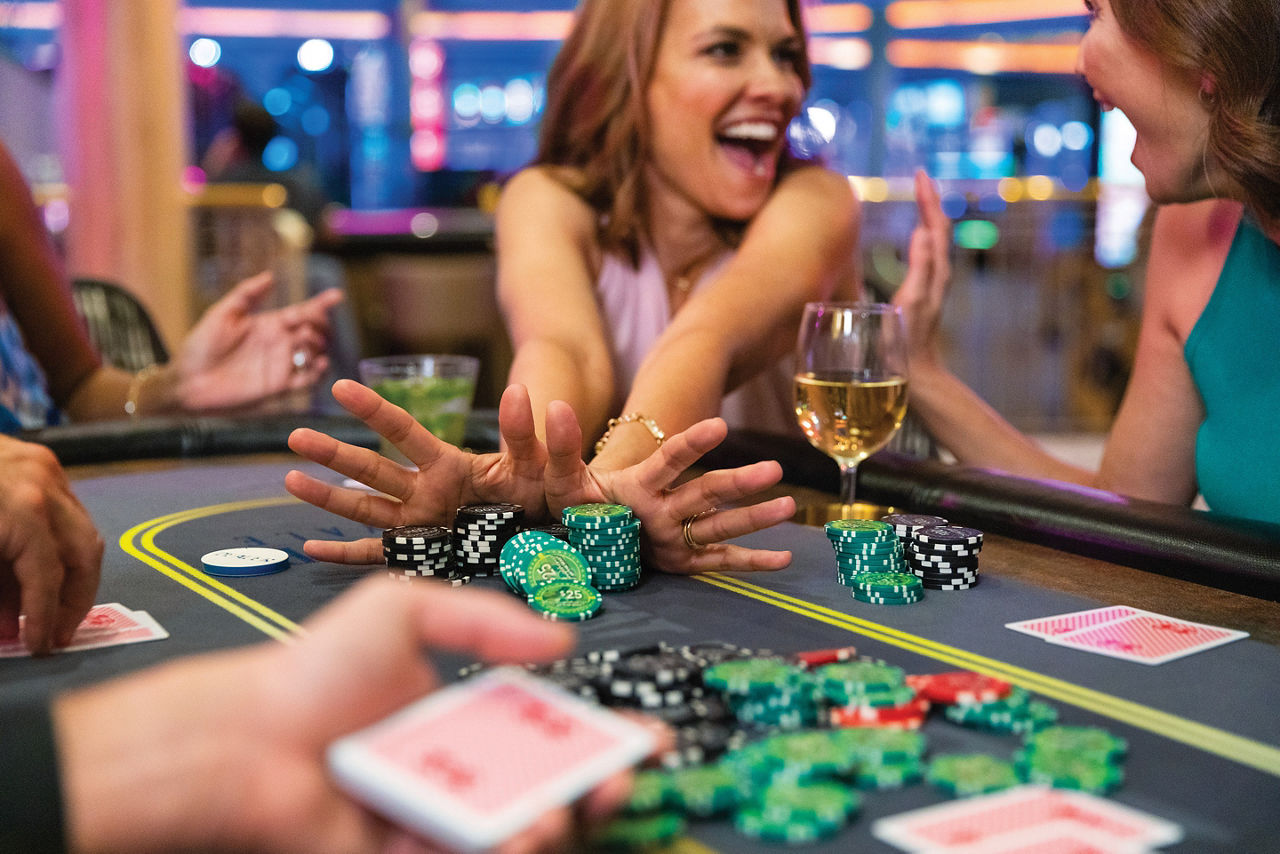
Furthermore, the unpredictable nature of casino games can lead to a phenomenon known as “variable reinforcement.” This psychological principle suggests that rewards are more compelling when they are irregular. Players who experience sporadic wins may find themselves hooked, continually seeking the next big payout. This cycle reinforces their behavior, leading them to return to the casino, often despite the odds being stacked against them.
The Role of Escapism
Many individuals turn to casino games as a form of escapism. The excitement of playing can provide a temporary getaway from everyday life, allowing players to immerse themselves in a world of chance and fortune. This sense of escape can be particularly appealing during stressful times, as it offers a distraction from personal challenges and responsibilities.
Moreover, the vibrant and stimulating environment of casinos, marked by bright lights, engaging sounds, and tantalizing aromas, creates an immersive experience. This sensory overload can heighten the emotional stakes of playing, making the experience more enjoyable and potentially leading to increased playtime. As players indulge in this escapism, they often become more invested in the outcomes, further fueling their desire to win.
Social Interaction and Competition
Casino games often encourage social interaction, making them appealing to those looking to connect with others. Many games, such as poker or blackjack, involve competing against other players, fostering a sense of camaraderie and rivalry. This social dynamic can enhance the thrill of the game, as participants share in the excitement of wins and losses.
Moreover, the social aspect of gambling extends beyond the tables. Casinos typically offer various amenities, such as bars and restaurants, where players can mingle and celebrate their victories or commiserate over losses together. This communal environment can create lasting friendships and bonds, making the act of gambling more than just a solitary endeavor; it becomes a shared experience that resonates deeply within the psyche.
The Illusion of Control
One of the fascinating psychological aspects of casino games is the illusion of control that players often experience. Many gamblers believe that they can influence the outcome of games like dice or roulette through their choices or actions. This belief, whether founded or not, can perpetuate a sense of agency and involvement, prompting players to engage more deeply with the game.
This illusion can lead to cognitive biases, such as the “gambler’s fallacy,” where players think that previous outcomes affect future results. For example, seeing a series of losses may mislead players into believing that a win is “due,” encouraging them to continue playing in hopes of recouping their losses. Such psychological phenomena highlight the complex interplay between belief and behavior in the realm of gambling.
Understanding Casino Psychology Through Research
Exploring the psychology behind casino games requires a comprehensive understanding of behavioral patterns and motivations. Researchers have dedicated considerable effort to uncovering the cognitive and emotional factors that drive gambling behavior. By studying participants in simulated environments and real casinos, insights have emerged about why people are drawn to games of chance and how these games affect their decision-making processes.
Through this research, we gain valuable knowledge about how casinos can design games and environments that appeal to players’ psychological needs. Understanding these dynamics not only sheds light on why we play but also raises important questions about responsible gambling and the need for support systems for those who may become addicted. As the casino landscape evolves, continued exploration of this field remains critical.